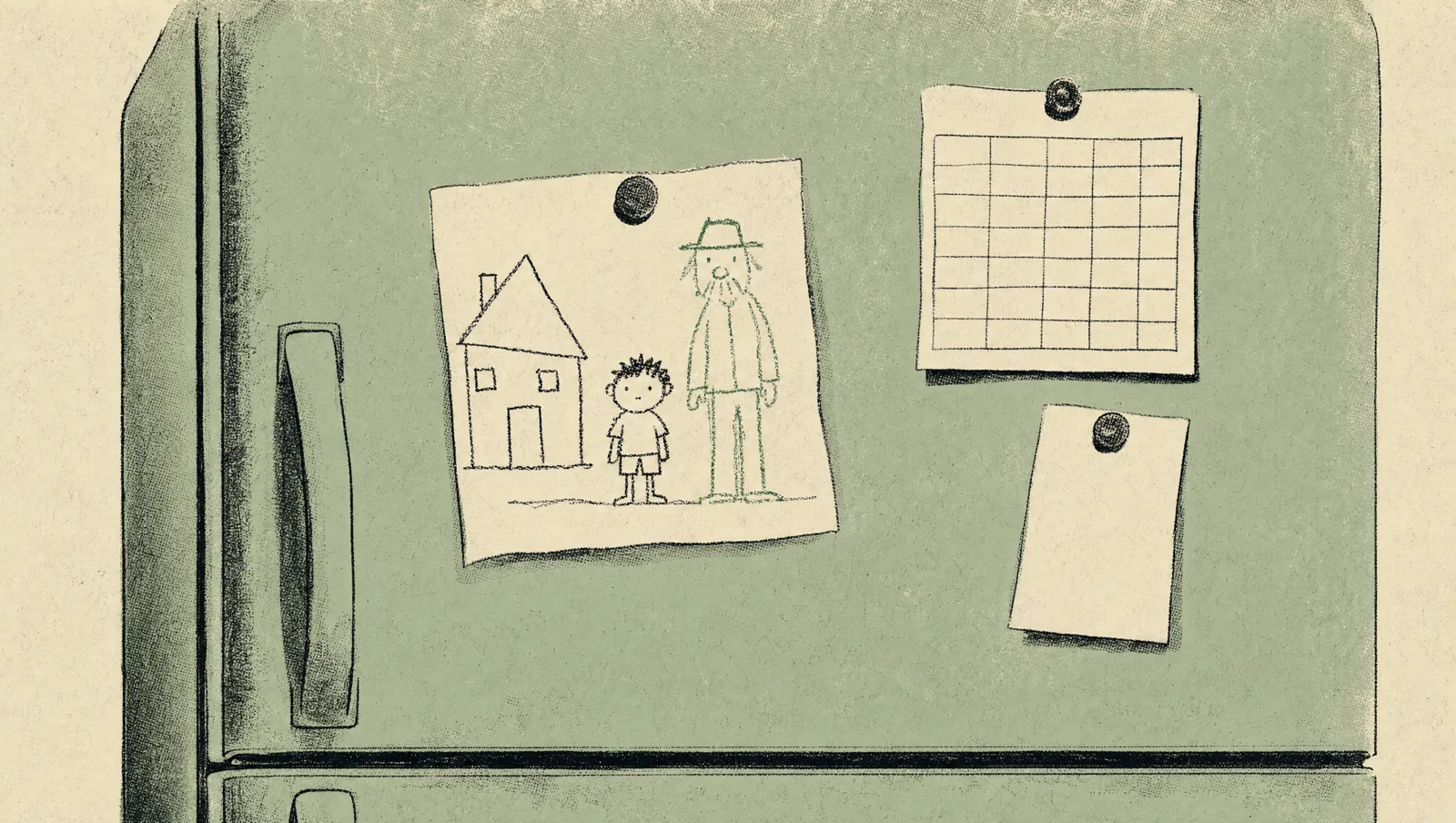
01
Unit 1 — What's going on
Imagination or impression. Psychic or medium. And the list of things that are a job for your paediatrician, not for me.
- 1.1 Hi. It's Dina.
- 1.2 Imagination or impression?
- 1.3 When it's not spirit
Self-paced course for parents · About 2 hours · €47
What's going on, what to say at bedtime, and when to call the doctor instead.
What's inside ↓9 lessons · A 3-minute bedtime audio for your child · Made for your phone · Yours to keep
When I was small, I talked to trees.
There was one outside my window in Cairo. I talked to it, and I felt answered. My parents talked about dreams and strange things in the family all the time. Nobody ever sat me down and said: this is what you have, and this is what to do with it.
I didn't know it was psychic. I thought everybody did it.
Your child probably thinks the same. So they don't announce it. It leaks out. At dinner. At bedtime. In a drawing. In a comment about a stranger that makes your neck go cold.
This is the course I wish someone had given my parents.
— Dina
What's inside
01
Imagination or impression. Psychic or medium. And the list of things that are a job for your paediatrician, not for me.
02
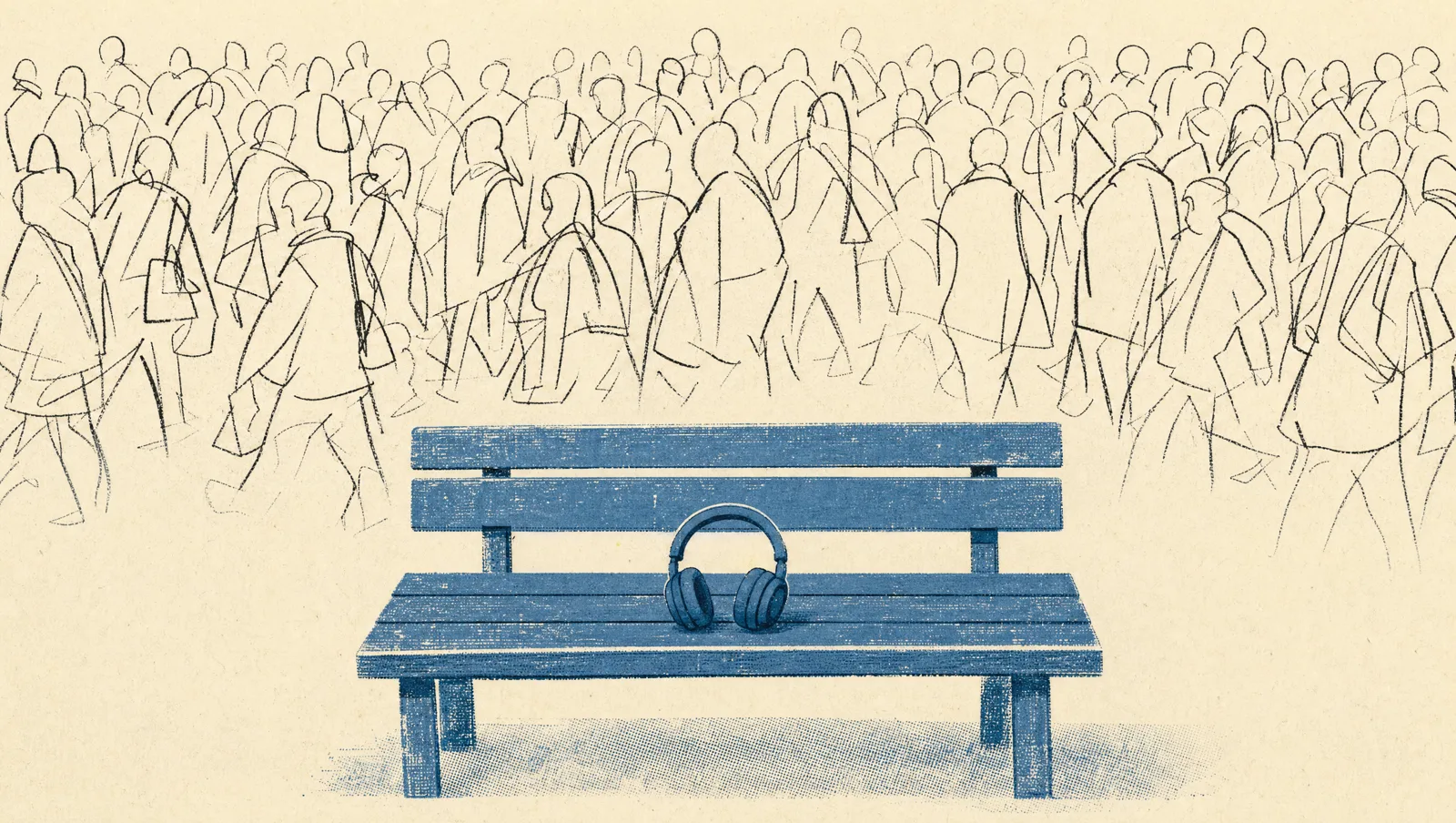
Bedtime. The sentences that actually work. Crowds, school, Christmas shopping.
03
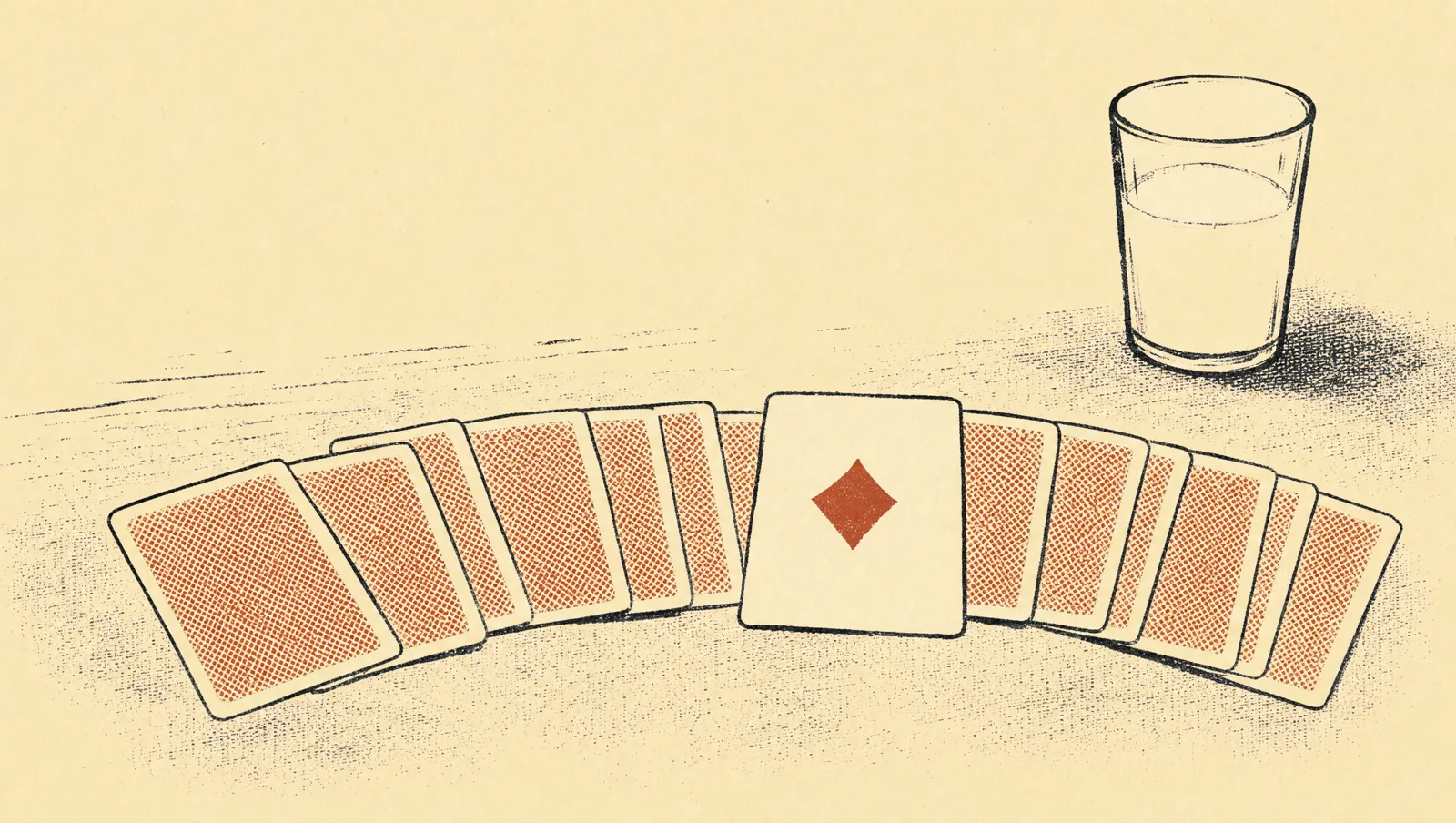
Drawing, writing, games that build evidence. And the talk: what to tell your child.
What you walk away with
1
Five steps, every night. Door, music, the heart tree, "this is my room", office closed.
2
"Now's not a good time. I need to sleep. We can talk tomorrow." Plus the one that puts Grandma at the door.
3
A secret word, a place to go, three things to do there.
4
What they said, where, when. Your evidence — and exactly what a doctor wants to see if it ever comes to that.
5
Seven sentences to tell your child, somewhere ordinary, not at bedtime.
How it works
Read it on the sofa after they're asleep. It works on a laptop too.
Nine lessons of 8–20 minutes.
You do the lessons. Some exercises you do together — the bedtime audio, the drawings, the card game.
The Parent's Pocket Guide (phone edition), a one-page fridge sheet, and ten drawing pages to print for your child.
a notebook, paper and crayons, an ordinary deck of cards, ten minutes a day.
A story
My mum used to close the door at night and leave me in the dark.
Let me tell you, that scared the hell out of me.
Years later I carried an iPod into hospitals and train stations. Not for fun. So I wouldn't hear the dead who were still hanging around there.
Nobody taught me how to switch it off. I had to work it out on my own, as an adult. Your child doesn't have to.

About Dina
I'm a psychic medium in Berlin. Before that I was a lawyer. Sorbonne-trained, fifteen years in oil and gas. Then my life fell apart and the spirits moved in.
I do private readings, I teach Psychic Badass, and every Tuesday I run a practice circle online. And I was a kid who talked to trees.
Imaginary friends are very common, and usually healthy. Paediatricians say so too. But if the friend or presence is frightening or threatening, if it never goes away and your child pulls away from real people, if sleep, eating, speech or behaviour suddenly change — talk to your paediatrician first. If something happened to your child, a professional comes first. Always.
The course has the full list, in plain words. Both can be true: a child can be sensitive and need a doctor.
Self-paced course for parents
€47
Instant access. Secure checkout. Prices shown in your currency. Practice Circle members: it's included.
What comes after
For you, not the kids. Two hours, on your phone.
See the course →If this course made you realise it runs in the family.
See Level 1 →Who's around your child — and who's around you.
See readings →FAQ
Most psychic kids don't announce it, because they think everyone experiences the world the way they do. It leaks out: they talk about someone nobody else can see, they know things about people they couldn't know, they struggle at bedtime, or they fall apart in crowds. The first step isn't a test. It's a notebook: write down what they say, with the date, and see what turns out to be true.
It can be either, and you don't have to decide tonight. Imaginary friends are very common and usually healthy — paediatricians agree. Details a child couldn't know, a friend who appeared after a death in the family, or a friend who knows things that later turn out true can point to spirit. What you do is the same either way: stay calm, stay curious, let them draw it, write it down.
Stay calm, then find out who it is: man or woman, what they look like, what they do or say. It's almost always family, often someone the child is named after. If it's a grandparent, show your child a photo of them young — to a child, anyone old can look scary — and tell them stories about that person. Then that relative can become a guard at the door.
Leave the door open a crack or use a night light. Play soft music with no story and no words. A pet in the room helps many sensitive children. Teach one sentence: "Now's not a good time. I need to sleep. We can talk tomorrow." And if the fear is getting worse, or nightmares are frequent after about age six, talk to your paediatrician.
If the friend or presence is frightening, threatening or tells your child to hurt anyone; if it never goes away and your child pulls away from real people; if sleep, eating, speech, toilet habits, concentration or school suddenly change; if you already have worries about development; if there's a strong family history of mental illness; if a teenager hears cruel or commanding voices; or if something happened to your child. A professional comes first. Spirit and medicine are not enemies.
No, it's for you, the parent. You do the lessons, then bring what's useful to your child. A few things you do together: a three-minute bedtime audio, drawing, and a card game.
Toddlers to teenagers. Most of the course is about young children — bedtime, imaginary friends, drawings. There are specific parts for older kids (writing) and teenagers (crowds, concerts, and the warning signs to take seriously).
No. Families of every religion and none take this course. I grew up Muslim, left religion, and never left God. Your child's gift doesn't ask for anyone's paperwork.
Yes. It was built for the phone first. About two hours in total, nine lessons of 8–20 minutes.
It's my words and my voice, made with AI from my own recordings.
No. It's included in your membership. Log in and it's on your dashboard.
It's yours. No expiry. (Practice Circle members: while your membership is active.)
A psychic medium based in Berlin, and a former lawyer. She gives private readings, teaches the Psychic Badass courses and runs the weekly Practice Circle.